Directing
Hayao Miyazaki
Also Known As: Сабуро Акицу, 宮崎 駿, 秋津 三朗
Birth Date
January 5, 1941
(85 years old)
Place of Birth
Tokyo, Japan
Popularity
trending_up5
Biography
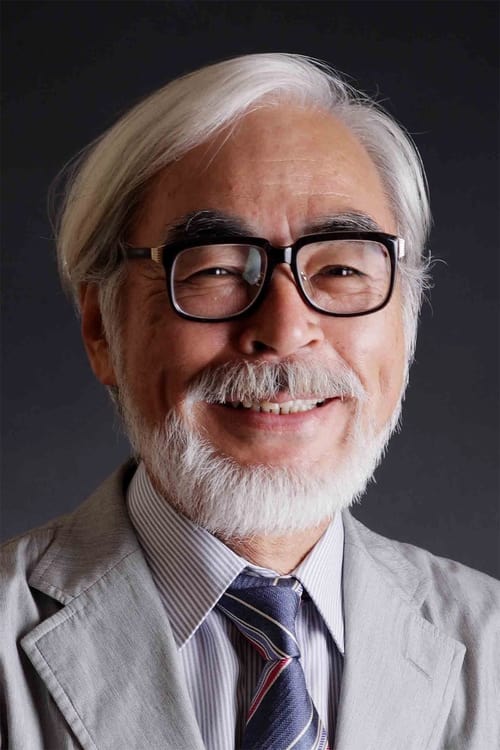
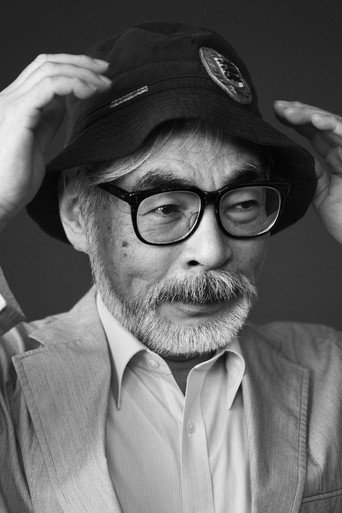
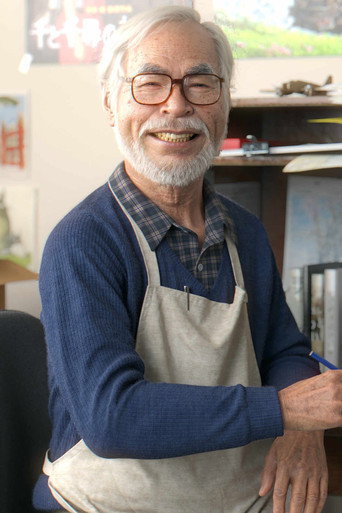
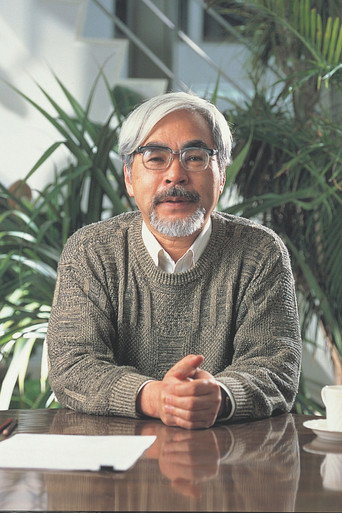
Hayao Miyazaki (Miyazaki Hayao, born January 5, 1941) is a Japanese manga artist and prominent film director and animator of many popular anime feature films. Through a career that has spanned nearly five decades, Miyazaki has attained international acclaim as a maker of animated feature films and, along with Isao Takahata, co-founded Studio Ghibli, an animation studio and production company. The success of Miyazaki's films has invited comparisons with American animator Walt Disney, British animator Nick Park as well as Robert Zemeckis, who pioneered Motion Capture animation, and he has been named one of the most influential people by Time Magazine. Miyazaki began his career at Toei Animation as an in-between artist for Gulliver's Travels Beyond the Moon where he pitched his own ideas that eventually became the movie's ending. He continued to work in various roles in the animation industry over the decade until he was able to direct his first feature film Lupin III: The Castle of Cagliostro which was published in 1979. After the success of his next film, Nausicaä of the Valley of the Wind, he co-founded Studio Ghibli where he continued to produce many feature films until Princess Mononoke whereafter he temporarily retired. While Miyazaki's films have long enjoyed both commercial and critical success in Japan, he remained largely unknown to the West until Miramax released his 1997 film, Princess Mononoke. Princess Mononoke was the highest-grossing film in Japan—until it was eclipsed by another 1997 film, Titanic—and the first animated film to win Picture of the Year at the Japanese Academy Awards. Miyazaki returned to animation with Spirited Away. The film topped Titanic's sales at the Japanese box office, also won Picture of the Year at the Japanese Academy Awards and was the first anime film to win an American Academy Award. Miyazaki's films often incorporate recurrent themes, such as humanity's relationship to nature and technology, and the difficulty of maintaining a pacifist ethic. Reflecting Miyazaki's feminism, the protagonists of his films are often strong, independent girls or young women. Miyazaki is a vocal critic of capitalism and globalization. While two of his films, The Castle of Cagliostro and Castle in the Sky, involve traditional villains, his other films such as Nausicaa or Princess Mononoke present morally ambiguous antagonists with redeeming qualities.
Photos

Professional: Shigoto no ryûgi
Self
2006 • 1 episode

The Professionals
Himself
— • 1 episode
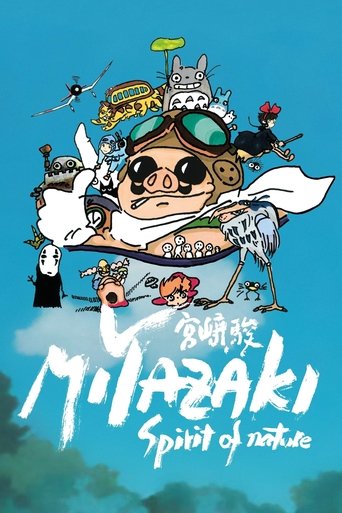
Miyazaki, Spirit of Nature
Self (archive footage)
2025
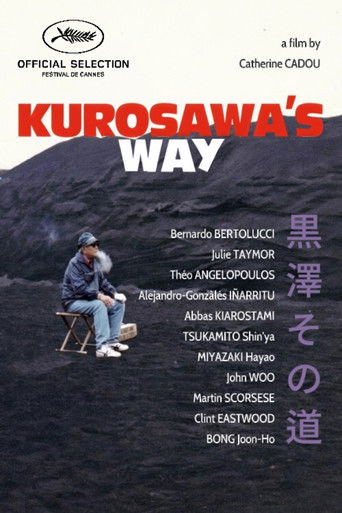
Kurosawa's Way
Self
2011
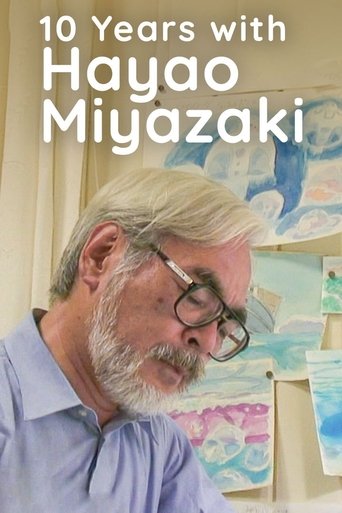
10 Years with Hayao Miyazaki
Self
2019 • 4 episodes

Inside Ghibli's Creation: 400 Days of Clash Between Hayao Miyazaki and The New Director
Himself
2010
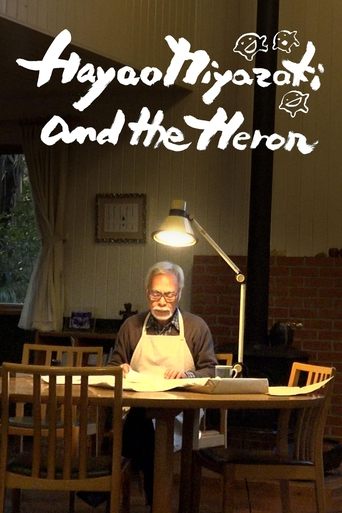
Hayao Miyazaki and the Heron
Self
2024

Hayao Miyazaki Produces a CD
Self
2004
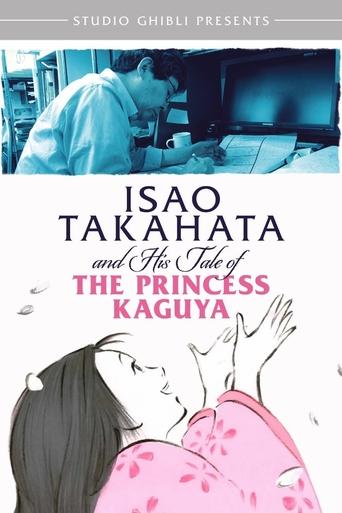
Isao Takahata and His Tale of The Princess Kaguya
Self
2014
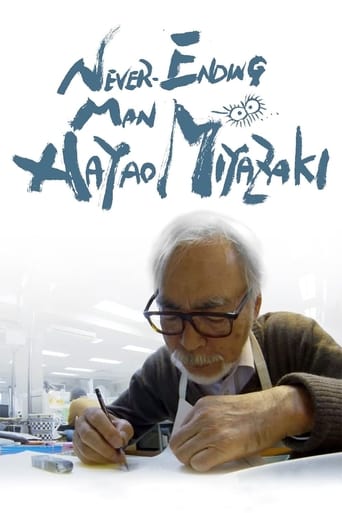
Never-Ending Man: Hayao Miyazaki
Self
2017

Mei and the Kittenbus
Totoro (voice)
2002
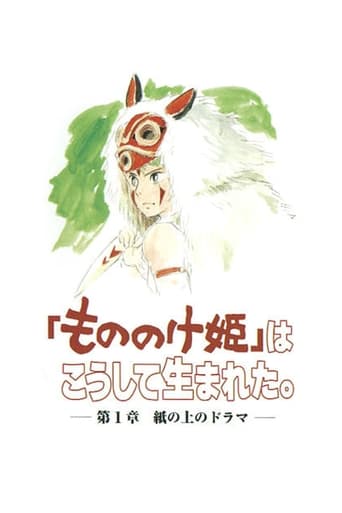
The Birth of "Princess Mononoke" Part 1: A Drama on Paper
Self
2001
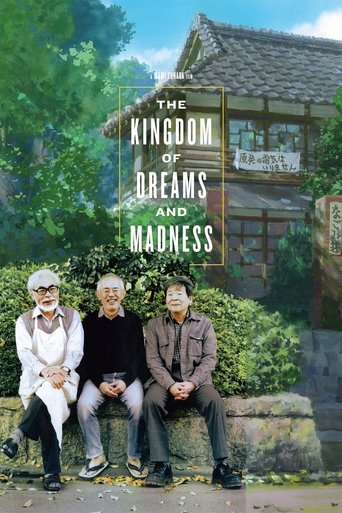
The Kingdom of Dreams and Madness
Self
2013

Princess Mononoke in the U.S.A.
Himself
2001
Hideaki Anno: The Final Challenge of Evangelion
Self
2021
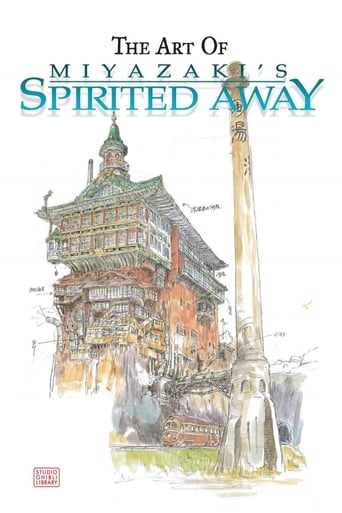
The Art of 'Spirited Away'
Himself
2003

25th Anniversary Studio Ghibli Concert
Self - Filmmaker
2008
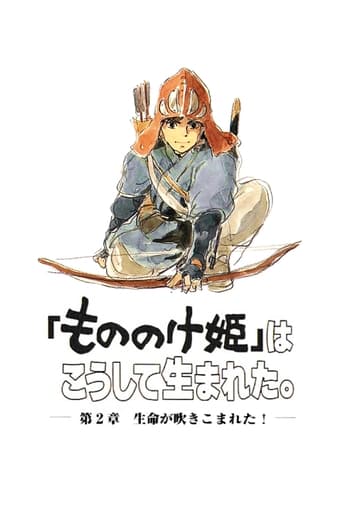
The Birth of "Princess Mononoke" Part 2: Life Has Been Breathed Into It!
Self
2001
Miyazaki
Self
2025
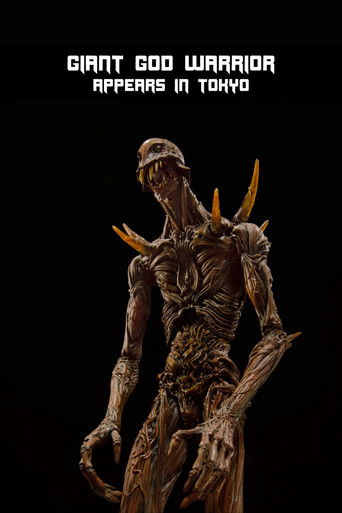
Giant God Warrior Appears in Tokyo
Giant Robot (voice)
2012